

সরলরেখার প্রবণতা (Gradient of a Straight Line)
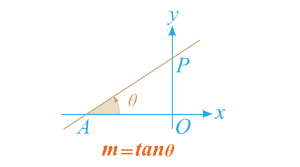
সরলরেখার প্রবণতা নির্ণয়
🔹 কোনো সরলরেখার x-অক্ষের ঘড়ির কাটার বিপরীতে x-অক্ষের সঙ্গে যে কোণ (∠XAP = θ) উৎপন্ন করে তার, tangent বা tanθ-এর মানকে কে নতি বা প্রবণতা বলে।
প্রবণতা = m = tanθ
বিশেষ ক্ষেত্রসমূহ:
⭐ θ সর্বদা ধনাত্মক হবে, অর্থাৎ এর মান ঘড়ির কাঁটার বিপরীত দিকে 0° থেকে 180° পর্যন্ত হতে পারে।
⭐ যদি কোনো সরলরেখা x-অক্ষের সঙ্গে ঘড়ির কাঁটার বিপরীত দিকে একটি সূক্ষ্ম কোণ (acute angle) উৎপন্ন করে, তবে রেখাটির নতি বা প্রবণতা ধনাত্মক হয়।
⭐ যদি কোনো সরলরেখা x-অক্ষের সঙ্গে ঘড়ির কাঁটার বিপরীত দিকে একটি স্থূল কোণ (obtuse angle) উৎপন্ন করে, তবে রেখাটির নতি বা প্রবণতা ঋণাত্মক হয়।
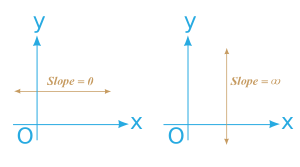
প্রধান অক্ষের সমান্তরাল সরলরেখা
⭐ যদি কোনো সরলরেখা x-অক্ষের সমান্তরাল হয়, তবে তার প্রবণতা শূন্য হয়। অর্থাৎ, যদি θ = 0° হয়, তবে m = 0 (∵ tan 0° = 0) হবে।
⭐ যদি কোনো সরলরেখা y-অক্ষের সমান্তরাল হয়, তবে তার প্রবণতা অনির্ণেয় (undefined) হয়। অর্থাৎ, θ = 90° হলে tan 90° সংজ্ঞায়িত নয়, তাই slope-এর কোনো সসীম মান থাকে না।
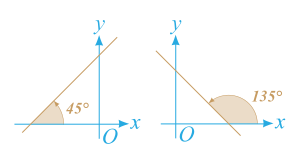
অক্ষের সাথে সমান কোণ তৈরি করে এমন একটি রেখার প্রবণতা
⭐ যদি θ = 45° হয়, তবে m = 1 (∵ tan 45° = 1) হবে।
⭐ যদি θ = 135° হয়, তবে m = -1 (∵ tan 135° = -1) হবে।
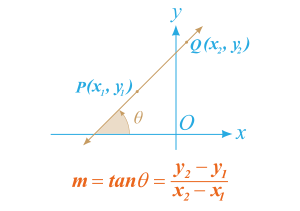
দুটি বিন্দুর সংযোগকারী সরলরেখার প্রবণতা
🔹 P (x1, y1) এবং Q (x2, y2) এই দুটি বিন্দুর সংযোগকারী সরলরেখার প্রবণতা m বা tanθ হবে।
∴
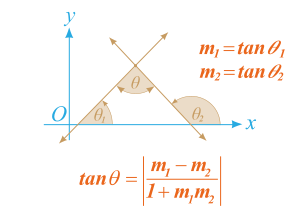
দুইটি সরলরেখার অন্তর্গত কোণ নির্ণয়
∴
🔹 দুইটি সরলরেখার প্রবণতা m1 এবং m2 সরলরেখা দুইটির অন্তর্গত কোণ θ হবে।
বিশেষ ক্ষেত্রসমূহ:
🔹 দুটি রেখা সমান্তরাল হবে যখন, m1 = m2।
🔹 দুটি রেখা লম্ব হবে যখন, m1 m2 = -1।
🧠 দ্রুত মনে রাখার সূত্র
| বিষয় | সূত্র / ফলাফল |
|---|---|
| Inclination থেকে slope | m = tanθ |
| দুটি বিন্দু থেকে slope | |
x-অক্ষের সমান্তরাল রেখা | m = 0 |
y-অক্ষের সমান্তরাল রেখা | slope অনির্ণেয় |
| সমান্তরাল রেখা | m₁ = m₂ |
| লম্ব রেখা | m₁m₂ = −1 |
| দুই রেখার মধ্যবর্তী কোণ |
📚 গুরুত্বপূর্ণ বিষয়
🔹 Inclination θ সাধারণত 0° ≤ θ < 180° ধরা হয়।
🔹 0° < θ < 90° হলে slope ধনাত্মক এবং 90° < θ < 180° হলে slope ঋণাত্মক।
🔹 θ = 90° হলে slope অসীম বলা ঠিক নয়; গাণিতিকভাবে slope অনির্ণেয় (undefined), কারণ tan90° সংজ্ঞায়িত নয়।
🔹 Two-point formula-তে x₂ − x₁ = 0 হলে রেখাটি উল্লম্ব, তাই slope অনির্ণেয়।
🔹 m₁m₂ = −1 শর্তটি তখনই সরাসরি ব্যবহার করবে যখন দুই রেখার slope সসীম।
🔹 দুই রেখার মধ্যবর্তী ক্ষুদ্রতর কোণ বের করতে tangent সূত্রে absolute value নেওয়া সুবিধাজনক।
✏️ সমাধানসহ উদাহরণ
উদাহরণ ১: দুটি বিন্দু থেকে slope
A(2, 3) এবং B(6, 11) বিন্দুদ্বয়ের সংযোগকারী রেখার slope নির্ণয় করো।
অতএব, slope m = 2।
উদাহরণ ২: সমান্তরাল কি না পরীক্ষা
দুটি রেখার slope যথাক্রমে 3 এবং 3। যেহেতু m₁ = m₂, তাই রেখা দুটি সমান্তরাল।
উদাহরণ ৩: লম্ব রেখা
একটি রেখার slope 2 হলে তার লম্ব রেখার slope কত?
m₁m₂ = −1 2m₂ = −1 ⇒ m₂ = −1/2অতএব, লম্ব রেখার slope −1/2।


